MAASAI Mara, – Want to see the kings of the savannah in action? Timing is everything. From the high-octane hunts of the Wildbeast Migration to the intimate moments of cub season, here is exactly when to plan your safari for maximum lion action.
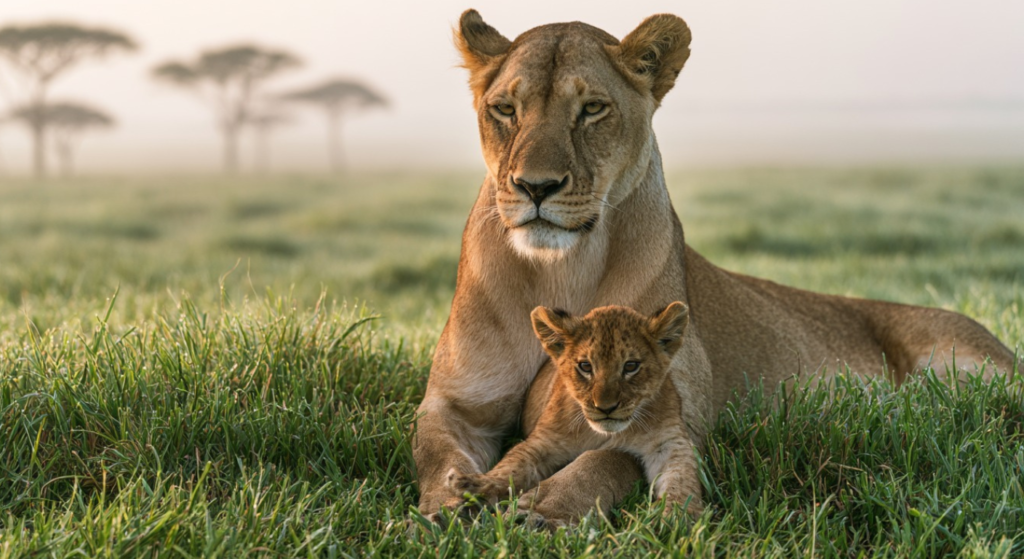
Kenya’s Masai Mara National Reserve is globally renowned as the ultimate kingdom of the big cats. Home to legendary prides, infamous coalitions, and world-renowned film crews, the Mara offers a front-row seat to the rawest theatre of nature.
But lions do not follow a calendar—they follow the food.
To maximize your chances of witnessing a dramatic hunt, a tender pride interaction, or tiny cubs taking their first steps, you must time your journey perfectly. Here is your definitive, expert-backed guide to the best time to see lions in the Masai Mara.
1. July to October: The High-Octane Migration Season
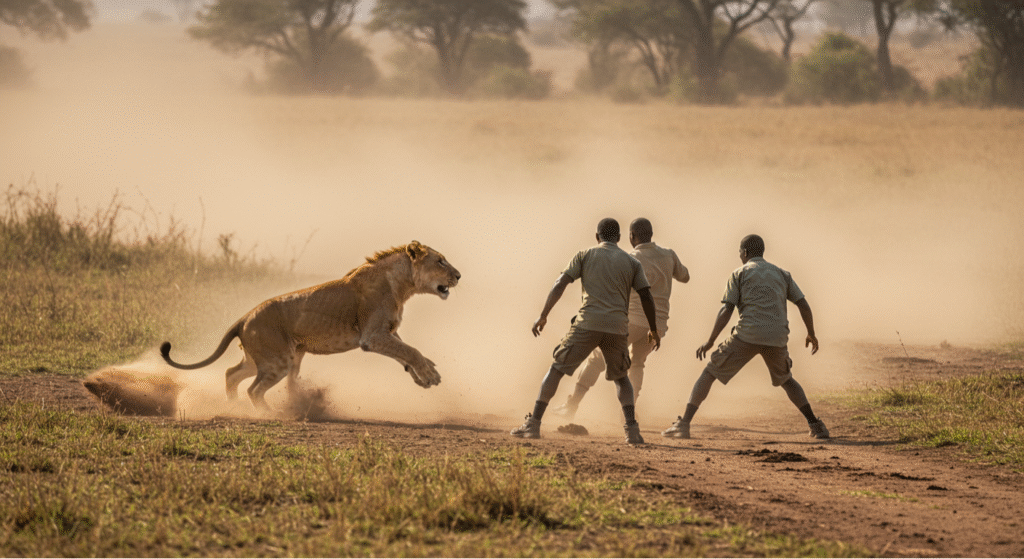
If your dream safari involves heart-pounding action, dust-clogged air, and high-energy hunting sequences, pack your bags for the dry summer months.
The Predator-Prey Showdown
During this window, over 1.5 million wildebeest, zebras, and gazelles make their perilous trek from the Serengeti into the Masai Mara. This massive influx of herbivores turns the Mara into a literal buffet for resident lion prides.
2. January to March: The Golden “Lion Season” and Cub Calving
While the Great Migration gets the Hollywood press, safari purists and professional wildlife photographers often prefer the quiet brilliance of the early months of the year.
Often referred to by local guides as the true “Lion Season,” this period coincides with the calving season of the resident plains game. Hundreds of thousands of antelopes and gazelles give birth to their young on the short-grass plains.
Also Read: Best Time To Visit Maasai Mara
Why It’s a Hidden Gem
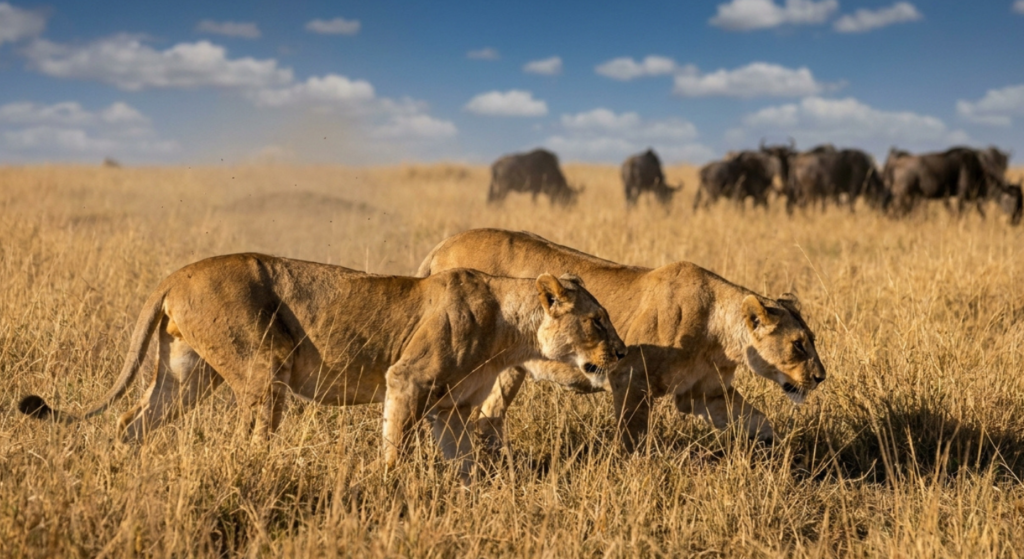
The Cutest Sightings: With an abundance of resident food, lionesses frequently give birth during or just before this window. It is the absolute best time to witness tiny, spotted lion cubs tumbling over each other and playing with their mothers’ tails.
Active Prides: Hungry lions take full advantage of vulnerable, newborn calves. You will witness incredibly tactical daytime hunting as prides coordinate to separate calves from the herds.
Photographer’s Dream: The short rains of November and December leave the game reserve beautifully green, clear of dust, and vibrant. The dramatic contrast of a golden lion silhouette against vibrant emerald grass offers elite photography conditions.
Exclusive Experience: Tourist numbers drop significantly after New Year’s. You will experience longer, more intimate encounters with prides without a dozen other safari vehicles blocking your view.
The Daily Clock: When to Go Out on Drive
The Dawn Patrol (6:00 AM – 9:00 AM)
No matter what month you book your flight, the daily routine of a lion remains unchanged. They are notoriously lazy creatures, sleeping up to 20 hours a day to conserve energy. To see them active, you must adapt to their schedule.
Lions are nocturnal and crepuscular hunters. The cool air of dawn is when they finish their nightly patrols, defend their territories with thunderous roars, or devour a kill from the night before.
The Midday Snooze (10:00 AM – 3:30 PM)
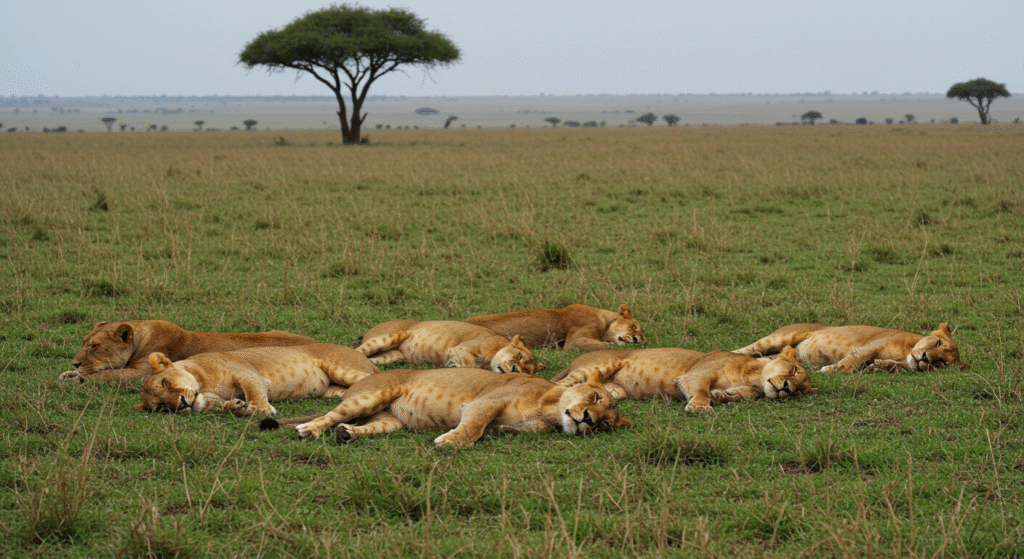
As the equatorial sun beats down, lions look for the thickest shade available—often under a lone acacia tree or buried deep within a dry riverbed. Expect to see lots of paws in the air and heavy sleeping.
The Evening Stir (4:00 PM – 6:30 PM)
As the temperature drops, the pride begins to stretch, yawn, and groom one another. Social bonds are reinforced during this golden hour, making it the perfect time for beautiful portraits before they melt into the darkness to hunt.
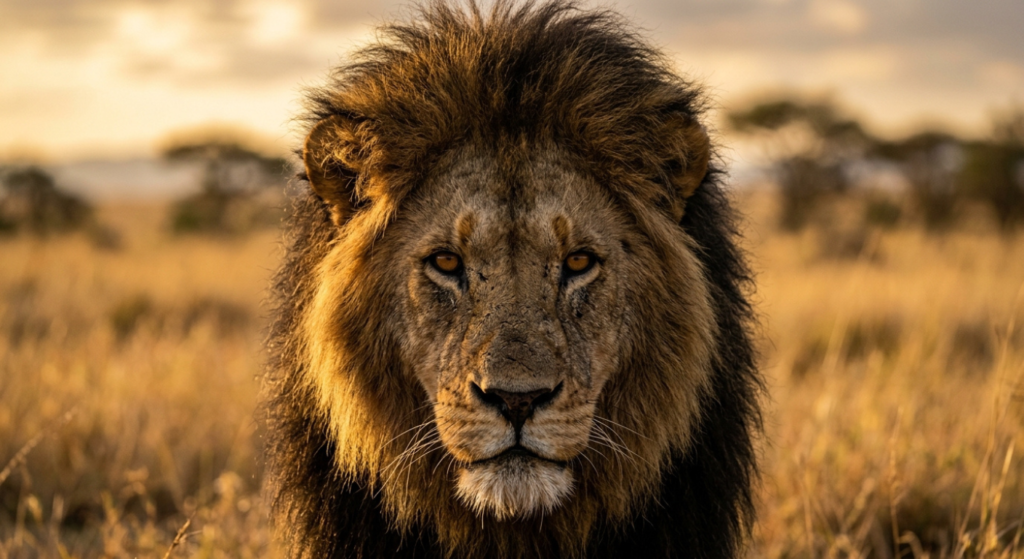
Choose July to October if you want to witness the raw, chaotic power of the Great Migration and see lions interacting with massive herds.
Choose January to March if you prefer a quieter, cheaper, and more intimate safari focused on lion cubs, predator family dynamics, and stunning emerald landscapes.
Frequently Asked Questions (FAQs)
Are lions guaranteed to be seen in this vast National Park?
While no wildlife sighting is ever 100% guaranteed, this National park has one of the highest densities of lions in the world. It is highly uncommon to spend a three-day safari here without multiple, high-quality lion encounters.
Can you see lions during the green/rainy season (April to May)?
Yes. Lions do not migrate; they are territorial and stay in the national park year-round. However, the long rains of April and May bring tall, thick grass, making them much harder to spot. Some tracks also become impassable due to mud.
Is it safe to view lions from an open-top safari vehicle?
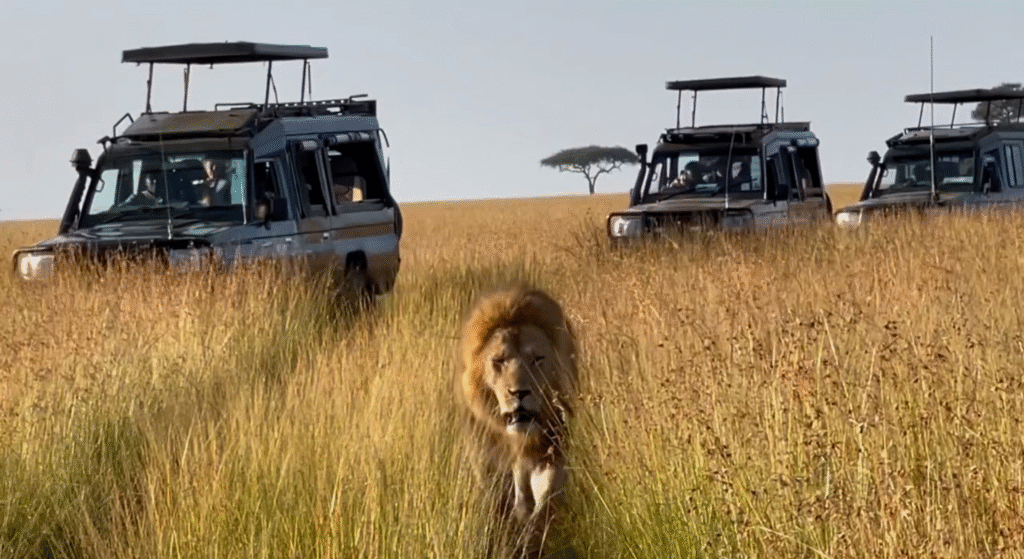
Yes. Lions view the safari vehicle as a single, large, non-edible object rather than a collection of individual humans. As long as you remain seated inside the vehicle, keep your voice low, and do not make sudden movements, the lions will completely ignore your presence.
Where is the best place to stay for lion sightings?
Prides are scattered all over. However, the areas near the confluence of the Mara and Talek rivers are legendary for big prides. Furthermore, the private conservancies bordering the reserve offer excellent off-roading rules, allowing guides to drive closer to a lion sighting than is permitted in the main national reserve.