
MAASAI Mara, – The Maasai Mara is Kenya’s most famous safari destination — a vast savannah where lions rule, elephants roam, and millions of wildebeest move with the rhythm of rain and survival.
But timing changes everything.
Visit at the right moment, and you witness river crossings, predator hunts, newborn calves, and golden photography light. Visit at the wrong time, and the Mara feels quiet and distant.
So when is the best time to visit the Maasai Mara?
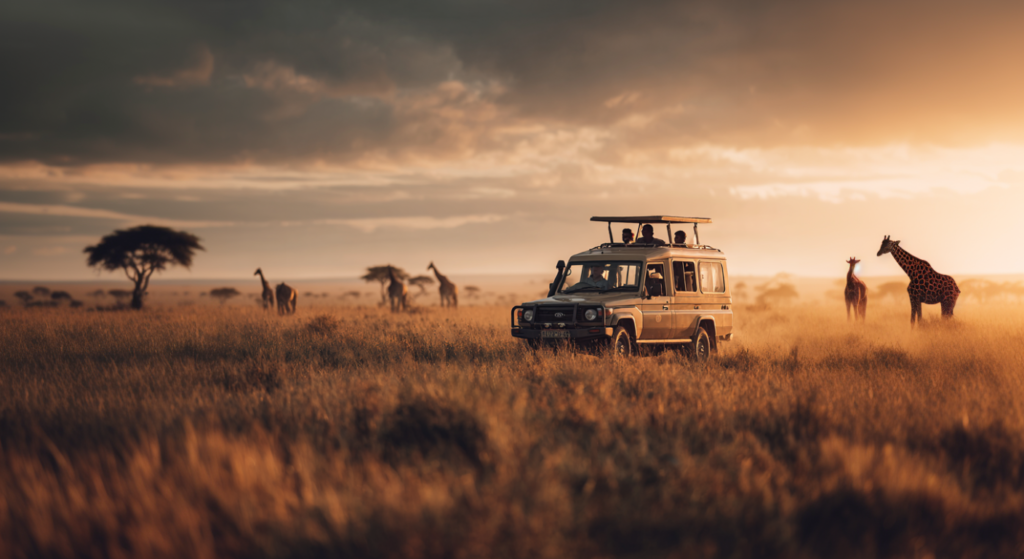
July to October: The Great Migration Season
This is the most dramatic time in the Maasai Mara.
Over 1.5 million wildebeest, zebras, and gazelles arrive from the Serengeti, turning the plains into one of the most intense wildlife theatres on Earth.
River Crossings & Predator Action
This is when survival becomes visible. Wildebeest gather at the Mara River, hesitating before dangerous crossings filled with crocodiles waiting below.
Lions, cheetahs, and hyenas follow closely, creating constant predator-prey tension across the landscape.
Why this season is famous
- Highest wildlife density
- Dramatic river crossings
- Frequent predator hunts
- Peak safari experience
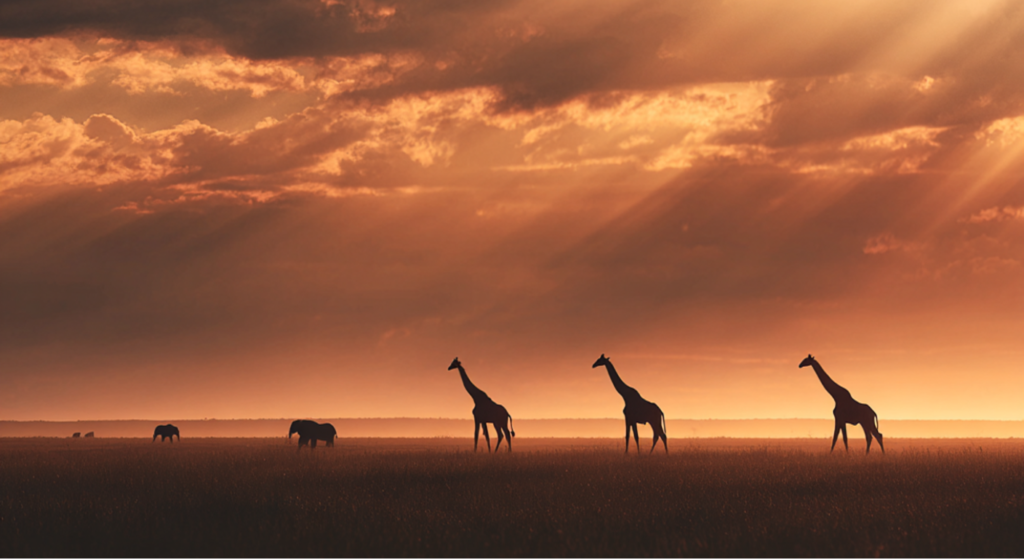
January to March: The Hidden Lion Season
While fewer tourists visit during this period, wildlife activity remains strong and intimate.
This is the calving season for many herbivores, including gazelles and wildebeest.
New life on the plains
Hundreds of newborn animals appear across the grasslands, attracting lions and cheetahs in coordinated hunting behavior.
It is also one of the best times to see cubs learning survival skills.
Why it’s special
- Fewer safari vehicles
- Close-up wildlife encounters
- Beautiful green landscapes
- High predator activity
November to December: The Green Season
After the short rains, the Maasai Mara transforms into a lush green paradise.
The air is clear, the dust settles, and the landscape becomes incredibly photogenic.
A photographer’s dream
Storm clouds, golden light, and emerald grass create dramatic contrasts — perfect for wildlife photography.
Animals are scattered, but sightings feel more natural and peaceful.
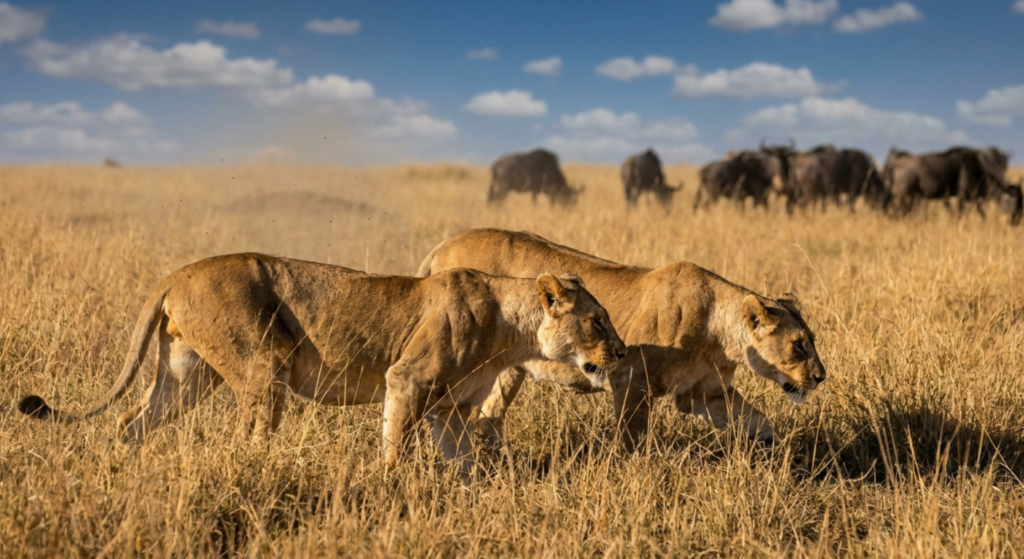
April to May: The Quiet Season
This is the long rainy season in the Mara.
Some lodges reduce operations, and parts of the park become muddy and difficult to access.
But nature is at its most raw and untouched.
What you can expect
- Fewer tourists
- Dramatic storm landscapes
- Lower safari prices
- Limited but peaceful wildlife viewing
Best Time Based on Your Safari Goal
Choose your timing based on what you want to see:
- July – October → River crossings & migration drama
- January – March → Cubs, hunts & quiet safari experience
- November – December → Photography & green landscapes
- April – May → Budget safari & solitude
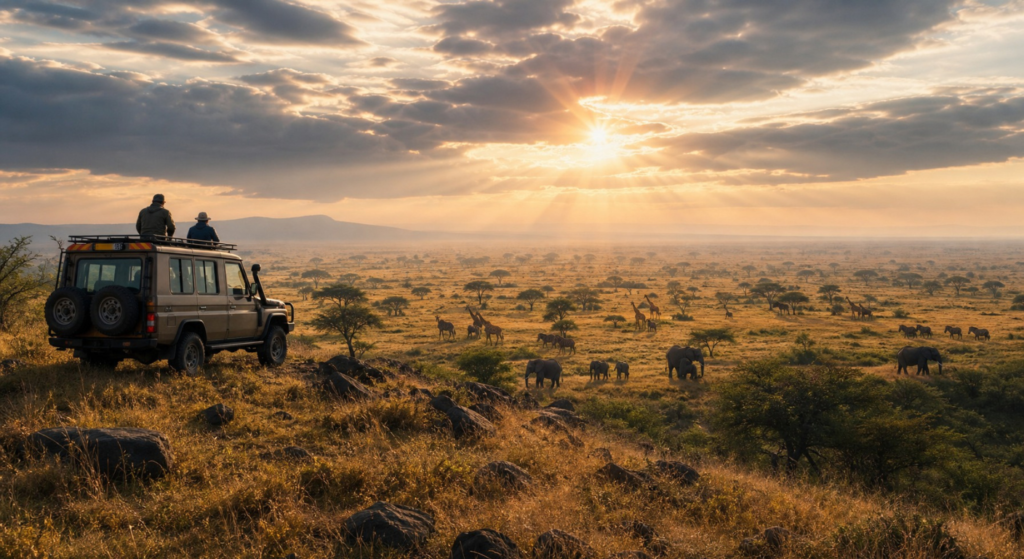
Daily Wildlife Timing Inside the Mara
Even within each season, timing of the day matters.
Early Morning (6:00 AM – 9:00 AM)
Best chance to see predators hunting or returning from night activity.
Midday (10:00 AM – 3:30 PM)
Animals rest under shade as temperatures rise.
Evening (4:00 PM – 6:30 PM)
Lions become active again, preparing for night hunts.
The Truth About the Maasai Mara
There is no single “perfect time” to visit the Maasai Mara.
Instead, there are different versions of perfection — each season revealing a different face of the wild.
What you see depends on when you arrive.
Frequently Asked Questions (FAQs)
Q: What is the absolute best month to visit Maasai Mara?
A: August and September are the peak months for river crossings during the Great Migration.
Q: Can you see the Big Five year-round in Maasai Mara?
A: Yes. Lions, elephants, buffalo, leopards, and rhinos are present throughout the year.
Q: Is Maasai Mara worth visiting during the rainy season?
A: Yes. The landscape is green and beautiful, and there are fewer tourists, but access can be limited.
Q: How many days should I spend in Maasai Mara?
A: At least 3–4 days to increase chances of seeing diverse wildlife behavior.
Q: Is the Maasai Mara good for photography?
A: Yes. It is one of Africa’s top wildlife photography destinations, especially during green season and migration.