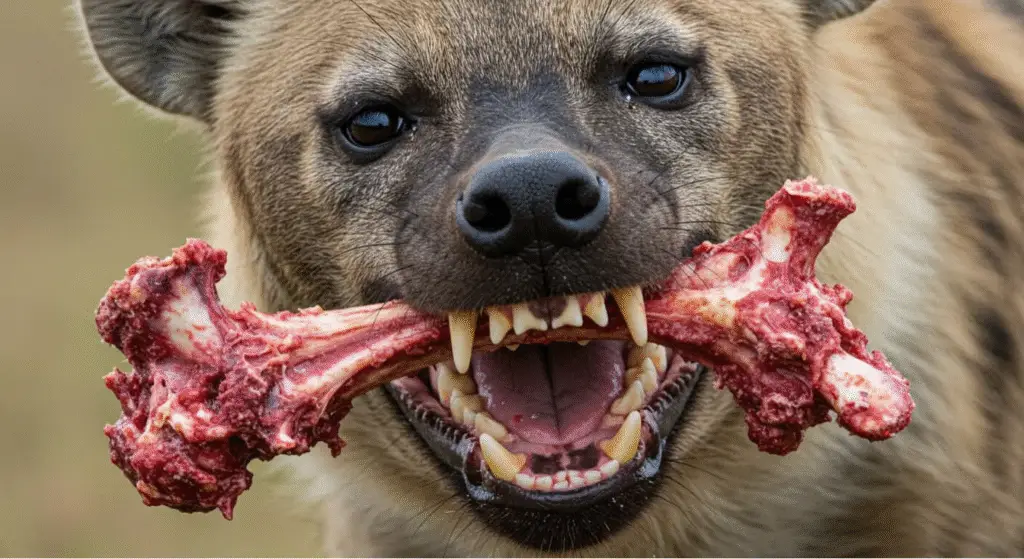
TSAVO, Kenya – When a snake appears in a kitchen, under a bed, or on a doorstep, panic is often the first reaction.
But in Kamungi, a growing number of residents are choosing a different response. Instead of reaching for a stick, they are reaching for a phone.
At the other end of that call is Patrick Isika Mutua, a local resident whose work is quietly transforming the relationship between people and snakes in the community.
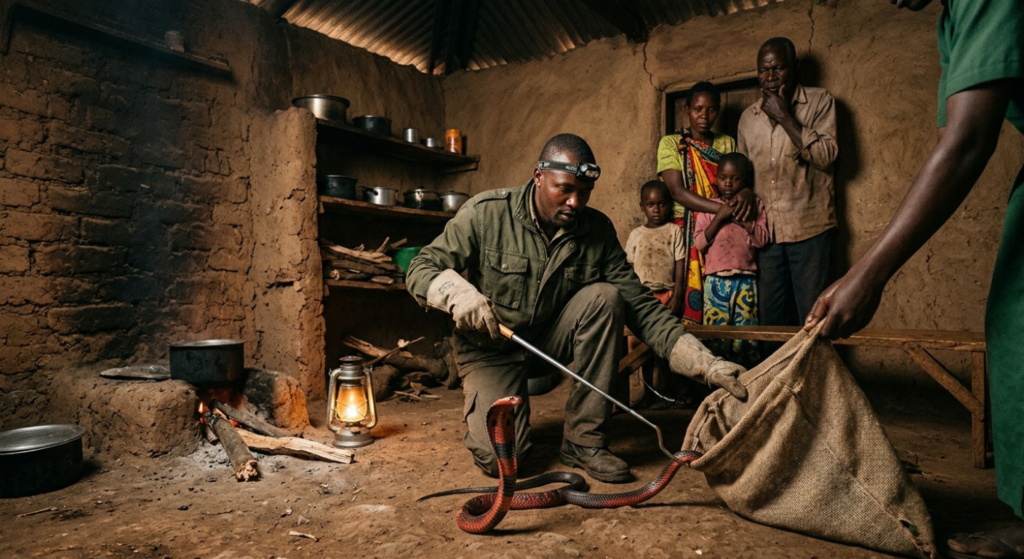
A local hero answering the call
Patrick Isika Mutua was born and raised in Kamungi. After receiving professional training at the Watamu Snake Farm and Taylor Ashe Antivenom Foundation, he became a certified senior venomous snake handler.
His mission is simple: protect both people and wildlife.
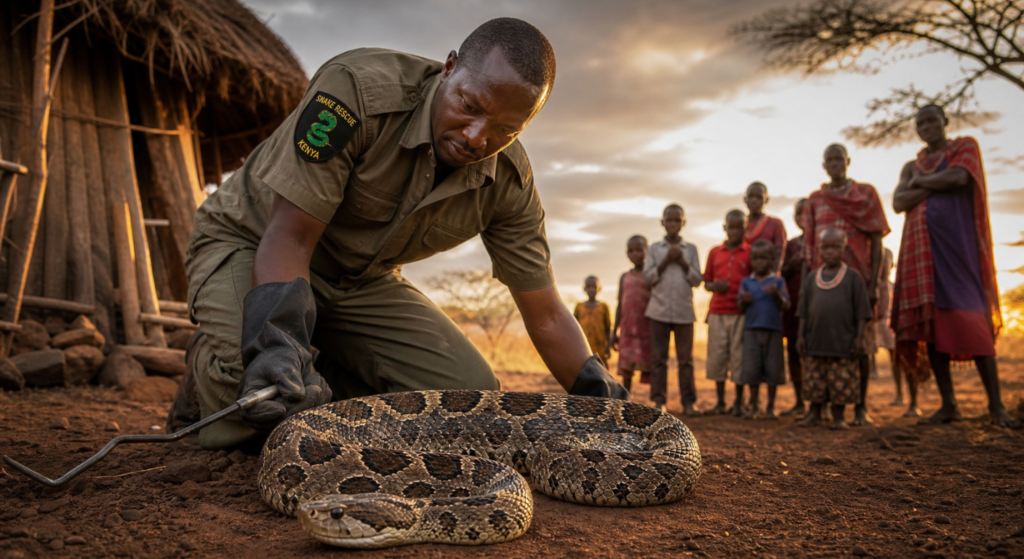
Whenever frightened residents discover a snake in their homes or compounds, Patrick responds, safely captures the animal, and relocates it back into suitable natural habitat.
226 snake rescues in four years
Between 2022 and 2025, Patrick recorded an impressive 226 successful snake rescues from homes and community areas.
The figures reveal just how important his work has become:
- 226 snakes safely removed from homesteads
- 66% of the snakes were venomous
- 21 different snake species documented
- More than 140 community members educated annually about snake safety
- Five snakebite victims supported, with all making full recoveries
These numbers highlight the growing need for trained wildlife responders in rural Kenya.
Living alongside dangerous snakes
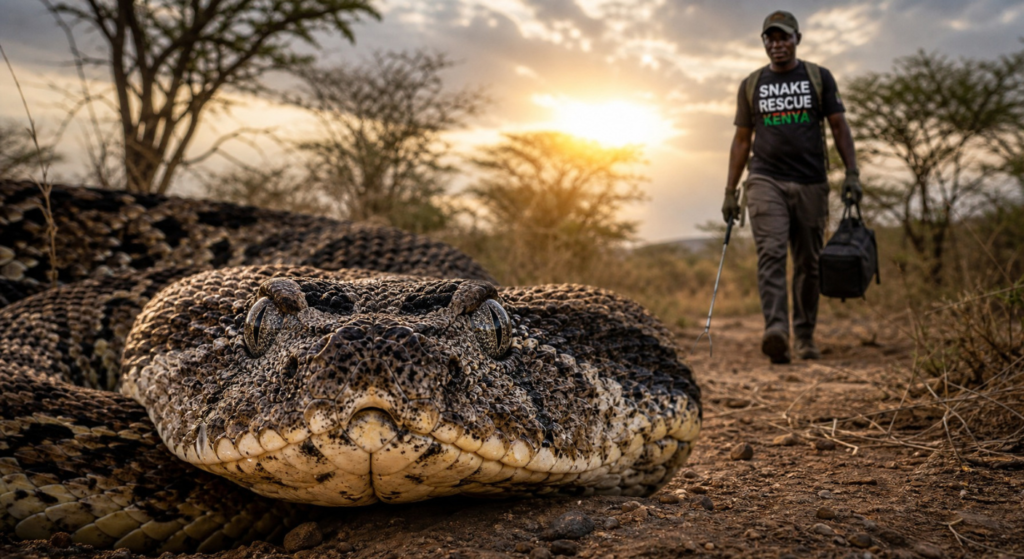
Many of the snakes rescued were highly venomous species known to occur across Kenya.
Among them were the feared Puff Adder and the Red Spitting Cobra, both responsible for numerous snakebite incidents throughout East Africa.
Without trained intervention, many encounters with these reptiles could end badly for both humans and snakes.
Instead, safe rescue and relocation provide a solution that protects everyone involved.
Snakebite remains a major challenge in Kenya
Snakebite is one of Kenya’s most overlooked wildlife-related dangers.
Experts estimate that snakebite incidents account for more than 40 percent of reported human-wildlife conflict cases in some regions.
The World Health Organization classifies snakebite envenoming as a neglected tropical disease because it disproportionately affects rural and low-income communities.
Access to trained responders, proper first aid, and medical treatment can significantly improve survival rates and reduce long-term complications.
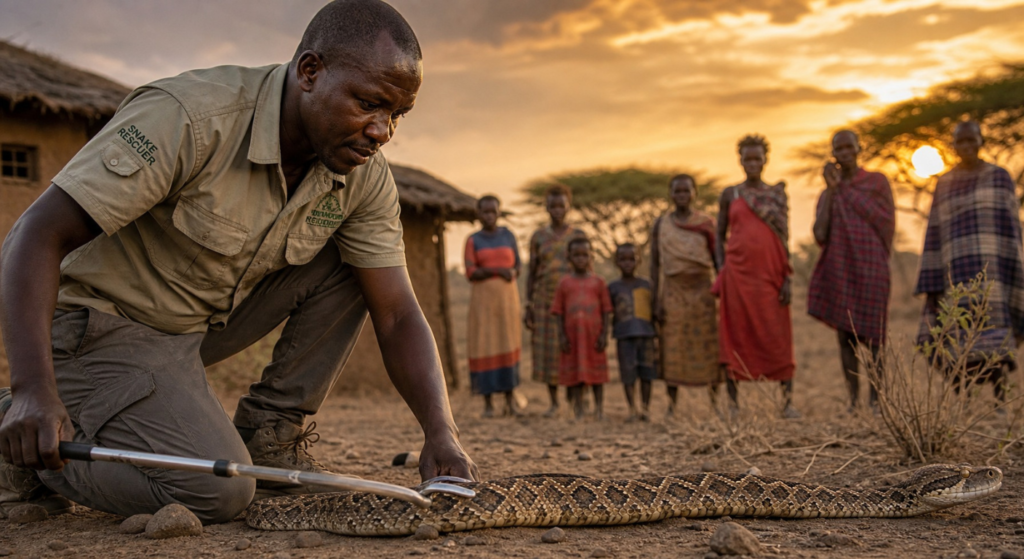
Saving people by saving snakes
One of the most remarkable aspects of Patrick’s work is that every rescue has two beneficiaries.
The person and family are protected from potential danger.
The snake is also given a second chance.
Rather than being killed out of fear, rescued snakes are released safely into suitable bushland away from homes.
This approach supports biodiversity while reducing conflict between humans and wildlife.
ALSO READ: Baby Impala Nearly Killed By Giraffe
A model worth expanding across Kenya
The success of the Kamungi snake rescue programme demonstrates what can happen when local communities are equipped with knowledge, training, and access to wildlife professionals.
With relatively limited resources, the initiative has prevented injuries, increased awareness, and conserved wildlife that plays an important role in maintaining healthy ecosystems.
As human populations continue to expand into natural habitats, community-based wildlife response programmes like this could become increasingly important across Kenya.
Choosing a phone call over fear
For many years, the sight of a snake often ended with the animal being killed.
Today, more residents in Kamungi are making a different choice.
They are choosing education over panic, conservation over fear, and a phone call over violence.
That simple decision is saving lives — both human and wild.
Frequently Asked Questions
Who is Patrick Isika Mutua?
Patrick Isika Mutua is a certified senior venomous snake handler from Kamungi, Kenya, trained at the Watamu Snake Farm and Taylor Ashe Antivenom Foundation.
How many snakes has Patrick rescued?
Between 2022 and 2025, he safely removed 226 snakes from homes and community areas.
What percentage of the rescued snakes were venomous?
Approximately 66 percent of the rescued snakes were venomous species.
Which dangerous snakes were rescued?
Some of the venomous snakes rescued included Puff Adders and Red Spitting Cobras.
Why are snake rescues important?
Snake rescues protect people from potentially dangerous encounters while also conserving wildlife by relocating snakes instead of killing them.
What should you do if you find a snake in your home?
Remain calm, keep a safe distance, prevent others from approaching the snake, and contact a trained snake handler or wildlife authority for assistance.
Why are snakes important to ecosystems?
Snakes help control rodent populations and maintain ecological balance, making them an important part of healthy ecosystems.